Best Fence for Waterfront Homes: Corrosion-Resistant Hardware and Materials That Last
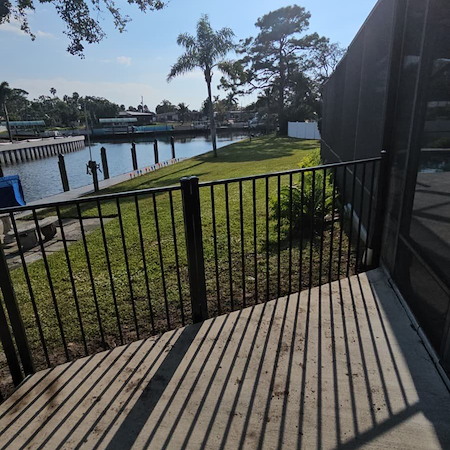
Waterfront living in Cape Coral brings peaceful canal views, quick access to the river, and a steady dose of salt air. That salty breeze, harsh sun, and summer storms can chew through weak materials fast. If you want a fence that holds up year after year, the winning formula is durable materials, corrosion-resistant hardware, and a quality install from a local pro. To get started, see our professional fence installation options with What-A-Fence.
Why Salt Air And Waterfront Weather Attack Fences In Cape Coral
Homes from Yacht Club to Pelican and Cape Harbour sit close to tidal canals where salt spray rides the wind. Salt crystals pull moisture from the air and speed up rust on steel parts. Afternoon thunderstorms soak hardware, then the sun bakes everything dry, leaving more salt behind. Add hurricane-season gusts that flex posts and panels, and you have a recipe that exposes any weak link.
That is why coastal fencing is not just about the panel you see. The post material, the coating, and every screw, hinge, and latch matter. A fence is only as strong as its most vulnerable fastener.
Materials That Stand Up To Salt And Storms
Several fence materials do well in our marine climate when paired with the right hardware and coatings. Here is how the top choices compare for waterfront homes:
- Marine-grade aluminum: Rigid, light, and naturally corrosion resistant. Powder coating seals the surface and keeps color stable in the sun.
- Vinyl (PVC): Non-metallic, so it will not rust. Good privacy and low upkeep when posts are reinforced and gates use stainless hardware.
- Composite: Dense boards over engineered cores. Stands up to UV and moisture with a premium look; needs stainless or polymer-coated fasteners.
Many canal-front owners choose aluminum for open views and airflow. Vinyl is popular for privacy along side yards, especially near pools. In both cases, hardware selection is critical to long life.
Local insight: In neighborhoods along wide-salt canals like Rose Garden and Tarpon Point, wind-driven spray reaches farther inland. Choosing 316 stainless hardware and a high-build powder coat helps your fence shrug off salt even if you are set back from the seawall.
Hardware Choices That Prevent Hidden Corrosion
Hardware is the unsung hero on a coastal fence. Hinges, latches, brackets, and the tiny screws that hold them all together live in the splash zone. Upgrading hardware often adds more life than upgrading the panel itself.
- 316 stainless steel fasteners: High molybdenum content resists pitting in salt air. Ideal for hinges, latches, and through-bolts near water.
- Hot-dip galvanized anchors: Heavy zinc layer protects steel in concrete footers. Great under grade where you need strength.
- Polymer-coated or ceramic-coated screws: Extra barrier where stainless is not an option, helping prevent galvanic reactions.
Mixing metals can create galvanic corrosion. For example, pairing bare steel screws with aluminum rails invites trouble. Match hardware to the panel system or use isolators so dissimilar metals do not touch. A quality installer will also seal cut edges and pre-drilled holes to keep moisture from creeping in.
Posts, Footers, And Panels Built For Waterfront Lots
In Cape Coral, soft soils, irrigation lines, and occasional tidal surges call for sturdy posts and secure footers. Aluminum and vinyl posts with internal aluminum reinforcement keep panels straight in wind. Posts should be set in concrete with proper drainage so water does not pool and attack hardware.
Gate frames deserve special attention. Wider canal-side gates get extra bracing and 316 stainless hinges rated for the panel weight. Latches should lock cleanly without forcing, even after a storm. Little touches like non-metallic shims and sealed caps keep salt out and strength in.
Privacy panels near pools or lanais benefit from taller posts and reinforced rails. Open picket designs along the seawall preserve the view and reduce wind load. Your What-A-Fence consultant will help you balance privacy, breeze, and sightlines so the fence feels natural with the water.
Finishes And Coatings That Extend Service Life
Finishes are your front line against salt and sun. Powder-coated aluminum uses electrostatic paint baked on for a tough, even layer. Look for marine-grade powders with UV stabilizers to slow fading. Vinyl with UV inhibitors resists chalking and stays flexible through heat cycles. Composite systems rely on capstock layers that shield the core from moisture and sun.
Hardware coatings matter too. Zinc that is hot-dipped after fabrication protects welds and corners better than thin electroplating. On gates, a dab of marine-grade lubricant at the hinge pin reduces wear and blocks moisture. Small details help you avoid squeaks, sagging, and corrosion blooms.
How Pros Evaluate Coastal Fence Longevity
When our team reviews a waterfront property, we look at forces you feel every day in Cape Coral. The goal is a system that works together: posts, panels, fasteners, anchors, and finishes tuned to the microclimate of your lot. Here is what a strong plan accounts for:
- Salt exposure based on canal width, wind direction, and vegetation buffers
- Sun angle and shade patterns that drive expansion and fading
- Soils and drainage that affect footer depth and hardware life
- Gate size, swing direction, and clearances for boats, trailers, or pool paths
Florida’s code environment expects fences to stand up to significant wind. While exact requirements vary by design and location, a licensed installer will guide you to compliant options that fit your home and neighborhood.
Aluminum, Vinyl, Or Composite: Which Fits Your Waterfront Home?
If you live near Cape Harbour, Yacht Club, or along the Bimini Basin, aluminum often wins for clean sightlines to the water. Slim rails, durable pickets, and a high-build powder coat give you a fence that looks sharp season after season. Pair it with 316 stainless hardware near saltwater and you reduce the biggest source of premature failure.
For privacy down the side yard in Pelican or Trafalgar, vinyl shines. It does not rust, and modern tongue-and-groove panels handle afternoon winds well when posts are reinforced. Choose gates with stainless frames and latches, and your pool area stays quiet and secure.
Composite is a strong choice when you want the richness of wood without the rot. In areas like Burnt Store or near Matlacha Isles, composites resist UV and salt mist while keeping color depth. Ask for coated or stainless fasteners and sealed cut ends to keep the look uniform.
Design Details That Make Coastal Fences Last Longer
Small decisions add years of service life. Rounded post caps shed water better than flat caps. Rails designed with weep paths let moisture escape instead of trapping it. Gate stops that catch gently protect hinges in gusty weather. Where panel manufacturers allow, isolator pads or sleeves keep metal parts from touching dissimilar metals.
Pay attention to clearances. A gate that swings over shell or pavers needs room for summer expansion so it will not drag. Strategic spacing between the bottom rail and hardscape helps airflow and reduces salt buildup.
Waterfront Installation, Simplified
Working beside canals introduces limits on access and staging. Experienced crews plan fence sections and gate swings to avoid docks, lifts, and mangroves. They protect pavers and pool decks, route materials safely along side yards, and coordinate with your irrigation or pool service to prevent surprises. The result is a clean install that looks like it has always belonged there.
If you want a smooth experience from first visit to final walkthrough, explore how What-A-Fence approaches schedule your fence installation with options tailored to Cape Coral’s coastal setting.
What “Built For Cape Coral” Looks Like After Year One And Year Five
At the one-year mark, a well-chosen coastal fence should hold color, keep gates aligned, and show tight hardware with no red rust or chalking. Posts feel rigid, and latches click without force. By year five, you should still see solid finishes, smooth gate swings, and only light film from salt that rinses away. That long, steady performance comes from the right materials installed the right way.
Powder-coated marine-grade aluminum, sealed cut ends, and matched stainless hardware are the trio we return to again and again for the best mix of strength, beauty, and resilience on the water.
Ready To Protect Your View And Your Investment?
Waterfront homes in Cape Coral deserve fences that look great and stand strong. If you want help choosing the best options for your lot, talk with What-A-Fence. Call us at 239-571-6351 or start your project on our coastal fence installation page. We will help you select the right materials, hardware, and finishes so your fence lasts through salty breezes, summer storms, and sunny winters without losing its good looks.
For more about the best fence for waterfront homes in Cape Coral, FL, our team can walk you through styles that protect your view, meet local standards, and keep maintenance simple.
Call Us Today for a Free Quote!