Aluminum Pool Fence Rules in Florida: Height, Gates, and Safety Tips
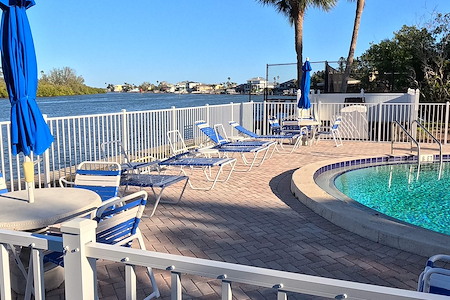
If you have a pool in Florida, a safe, code-aware barrier is not optional. Most homeowners choose an aluminum pool fence because it resists corrosion, protects kids and pets, and keeps views open. This guide covers the height, gate basics, and spacing details Florida inspectors commonly check, plus local notes for Cape Coral and nearby neighborhoods. If you are planning a project soon, you can review styles and options on our aluminum fences page.
Why Aluminum Pool Fencing Fits Florida Homes
Aluminum offers the classic look of wrought iron without worrying about rust. Powder-coated finishes hold up in sun, salt air, and daily summer showers. The slim pickets feel airy, so you still see your palms, canal, and pool deck. That “light but strong” profile also pairs well with screened enclosures that are common across Southwest Florida.
In Cape Coral areas like Pelican, Surfside, and Yacht Club, many backyards open to water. Aluminum fencing keeps sightlines to the canal while creating a defined, safer pool zone. It also works well with automatic closers and child-resistant latches.
What Inspectors Typically Look For in Florida
Rules are adopted and enforced locally, so details can vary by city, county, and even HOA. Still, Florida inspections tend to focus on the same big factors. Always confirm final requirements with your local building department before work begins.
- Barrier height that meets local code for residential pools
- Gates that are self-closing and self-latching
- Safe picket spacing and no footholds that help climbing
- Latch placement out of reach of small children
- Sturdy posts and hardware that hold alignment under daily use
Inspectors also look for consistent latch operation and a swing direction that makes sense for safety. Your installer can advise on hinge tension and latch models that pass checks without becoming hard to use.
Height Rules and Visibility Near Water
Height is one of the first items inspectors verify. Many Florida jurisdictions call for a minimum barrier height around residential pools. Waterfront lots often have separate visibility expectations so canal views remain open. Your specific height and openness can depend on your lot type, waterfront location, and HOA design standards.
Because of these variables, do not rely on a neighbor’s setup as a blueprint. What passed for a corner lot in one subdivision may not apply to a mid-block home, a cul-de-sac, or a canal-front property a few streets away.
Spacing, Climb Resistance, and Safe Design
Beyond height, spacing and picket layout matter. The goal is to prevent small children from squeezing through or climbing over. Aluminum systems make this easier because the vertical pickets can be set to safe gaps, and decorative options can avoid horizontal footholds in critical areas.
- Keep picket spacing tight enough that small objects cannot pass through easily
- Use smooth top rails or styles that limit footholds near the top third of the fence
- Avoid features that create a ladder effect near benches, planters, or steps
- Coordinate fence lines with screen enclosures, retaining walls, and hedges to remove shortcuts
If your pool deck meets a canal, ask your installer about styles that balance open views with safety around the water’s edge. A simple, flat-top aluminum style is often the cleanest choice for modern homes along Surfside, Cape Harbour, and Southwest Cape.
Gates: Self-Closing, Latches, and Everyday Use
Gates see the most wear, so they get the most attention. Choose self-closing hinges designed for pool safety, and a latch that is reliable for daily family routines. The latch should be out of easy reach of small children and simple for adults to operate from either side.
Think about how wind moves through your yard. In Cape Coral, breezes can funnel between houses or come straight off the canal. Position the gate and set hinge tension so it closes consistently even on blustery afternoons. Your installer can fine-tune this during a walk-through.
Local Permits, HOAs, and Final Inspections
Most Florida cities require a permit for new fencing. HOAs may also require pre-approval on color, height, and style. Plan your timeline so reviews happen before pool plastering or decking, since final inspections often verify the barrier before full use of the pool.
Your exact steps can vary by home size, material, and season. A good contractor will provide drawings that show fence lines, gates, and heights, then meet you on-site for latch and swing direction checks. That reduces surprises when the inspector visits.
Aluminum vs. Steel Near Salt and Sun
Aluminum is popular because it shrugs off everyday salt spray and humidity with minimal upkeep. Steel can be right for heavy-duty gates or specific design goals, but it needs more attention to coatings. For a deeper look at the trade-offs, compare materials in this related article on aluminum vs. steel for coastal homes.
When you want a pool area that feels open and stays clean with less maintenance, aluminum is the simpler path. If you prefer that route, browse styles on our aluminum fences page to see rail tops and colors that match your home.
Planning the Layout Around Your Pool
Walk the path you take most days: out the back door, to the grill, to the pool steps, and over to the dock if you have one. Place the gate where it supports that pattern without cutting across wet areas or tight corners. Consider how the sun hits the latch side so you are not squinting every time you open it.
Also plan around landscaping. Palms and hedges grow fast in Southwest Florida. Leave enough clearance so fronds do not hold gates open or press on latches. Ask your installer about post footings near irrigation zones so overspray does not shorten hardware life.
Maintenance That Protects Safety and Curb Appeal
Clean aluminum fences with mild soap and fresh water. A seasonal rinse after the summer rain pattern keeps grit off hinges and latches. Check hinge tension and latch action at the start of spring and after any major wind event.
Fix gate issues right away. A gate that drags or fails to latch is more than a nuisance. Small tune-ups keep your fence operating like new and help it pass future checks with ease.
When to Bring in a Pro
Pool barriers are not the place to cut corners. A professional understands local code, HOA styles, wind exposure, and waterfront nuances. They will design a layout that looks great and helps protect your family.
If you are comparing fence types for a Florida pool, you can also start at our homepage. Many homeowners begin by reading about an aluminum pool fence in Florida and then narrow down to a style and color that fits their yard.
Ready To Secure Your Pool the Right Way?
You want a fence that passes inspection and looks sharp year after year. What-A-Fence can help you choose the right height, gate hardware, and spacing for your property and HOA. Call us at 239-571-6351 to schedule a visit. When you are ready to explore styles, materials, and color options, take a look at our aluminum fence solutions for pools and backyards right here in Florida with aluminum fence installation.
Need a quick refresher on styles that work near canals and screened lanais? Our team installs across Cape Coral and nearby waterfront neighborhoods. We will walk your yard, test the gate swing, and confirm final details so your barrier is safe and smooth to use from day one.
Bottom line: check your local rules, choose reliable gate hardware, and keep spacing tight and clean. With the right aluminum system and a pro installation, your pool area will be safer, code-aware, and a lot more enjoyable all year.
Call Us Today for a Free Quote!